 Micronesia Sun Bright News from the Deep Pacific
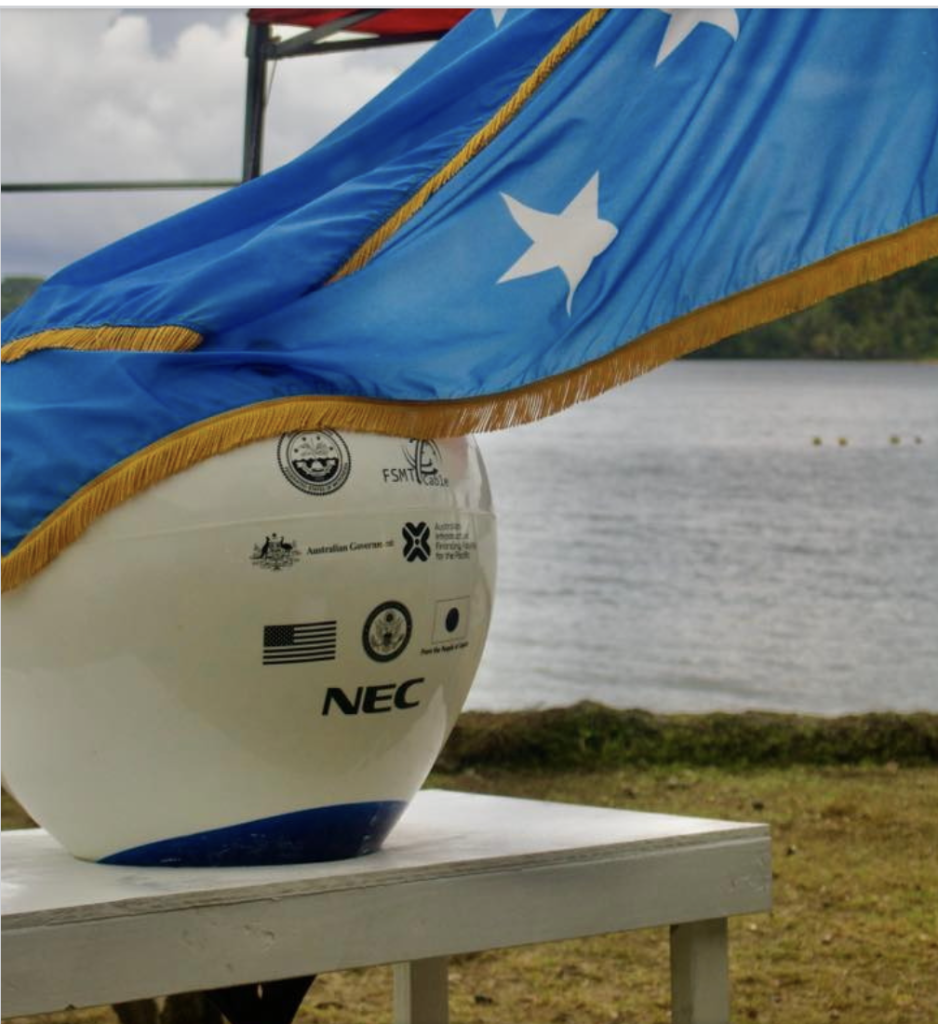
Photo Sources: Office of the President, Federated States of Micronesia, World Intellectual Property Organization (WIPO) photo by Emmanuel Berrod, Indo-Pacific Energy Security Ministerial (IPEM), and East Micronesia Cable System.
By Christopher Cottrell
March 20, 2026, Federated States of Micronesia___Indo-Pacific energy security, intellectual property, and the opening connection of the East Micronesia Cable System in Kosrae this month are thrusting the Federated States of Micronesia (FSM) into high-tech strategic positions.
Indo-Pacific Energy Security
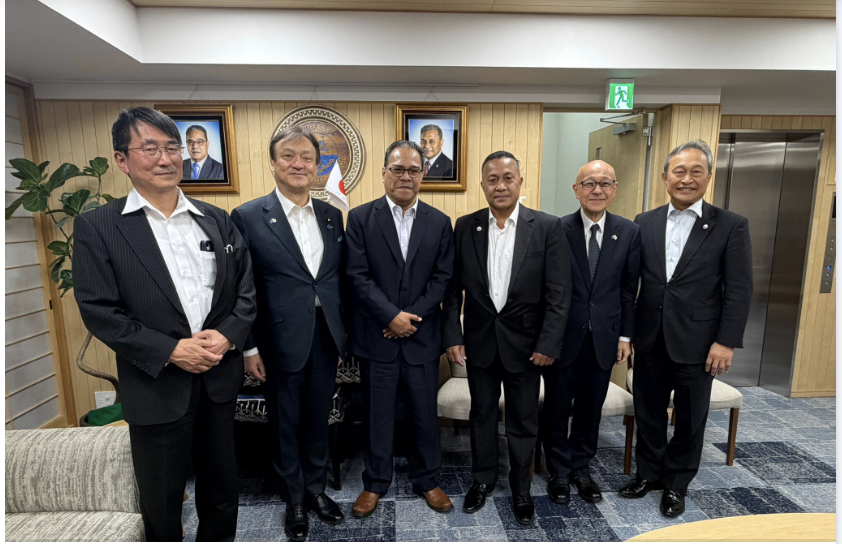
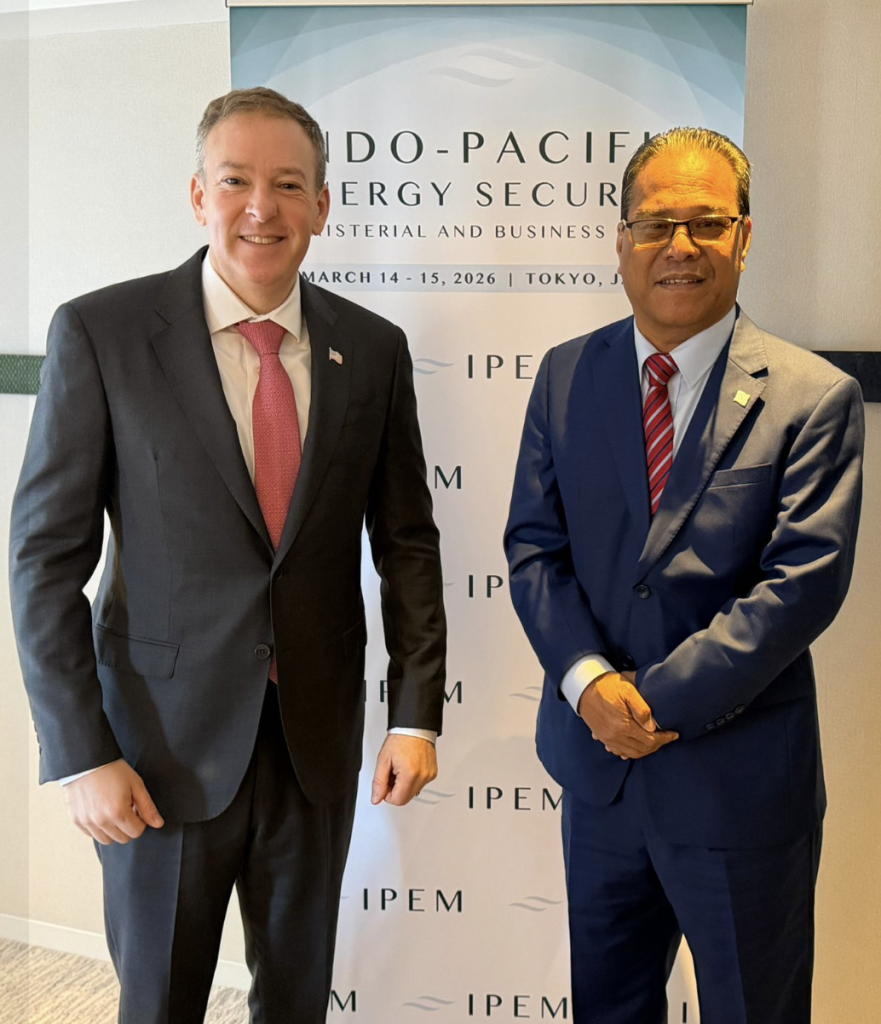
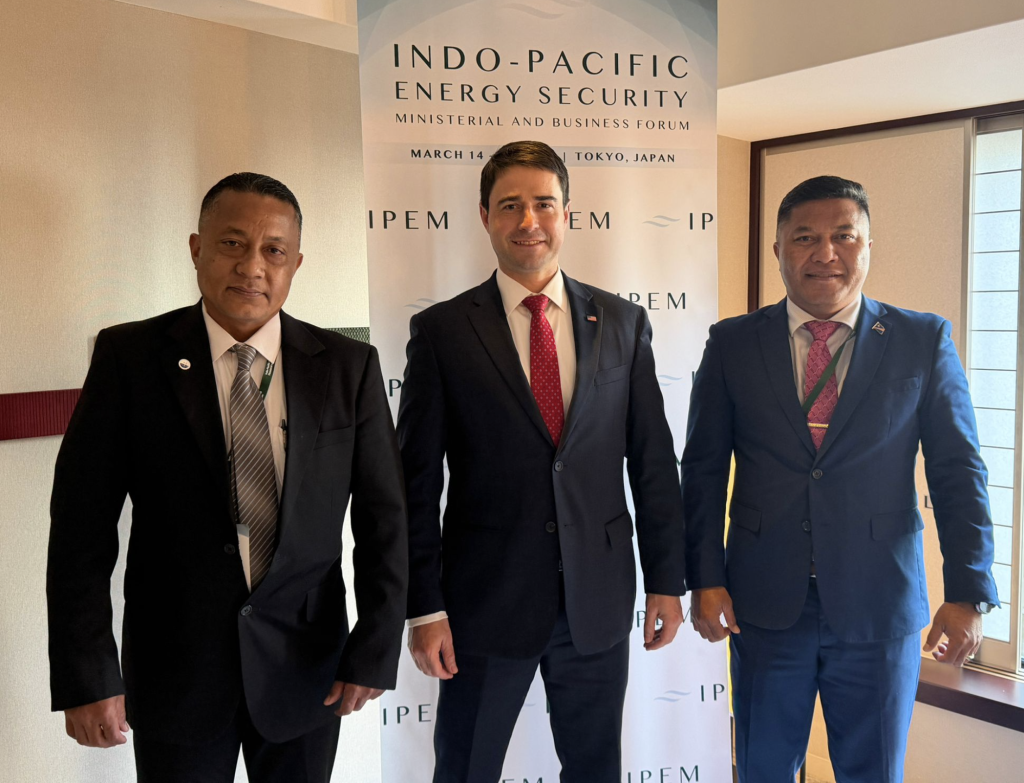
For example, this week FSM President Wesley W. Simina joined U.S. Secretary of the Interior Doug Burgum in Tokyo from March 14–15, 2026 to lead local and regional energy discussions at the 1st Indo-Pacific Energy Security Ministerial (IPEM) and Business Forum.
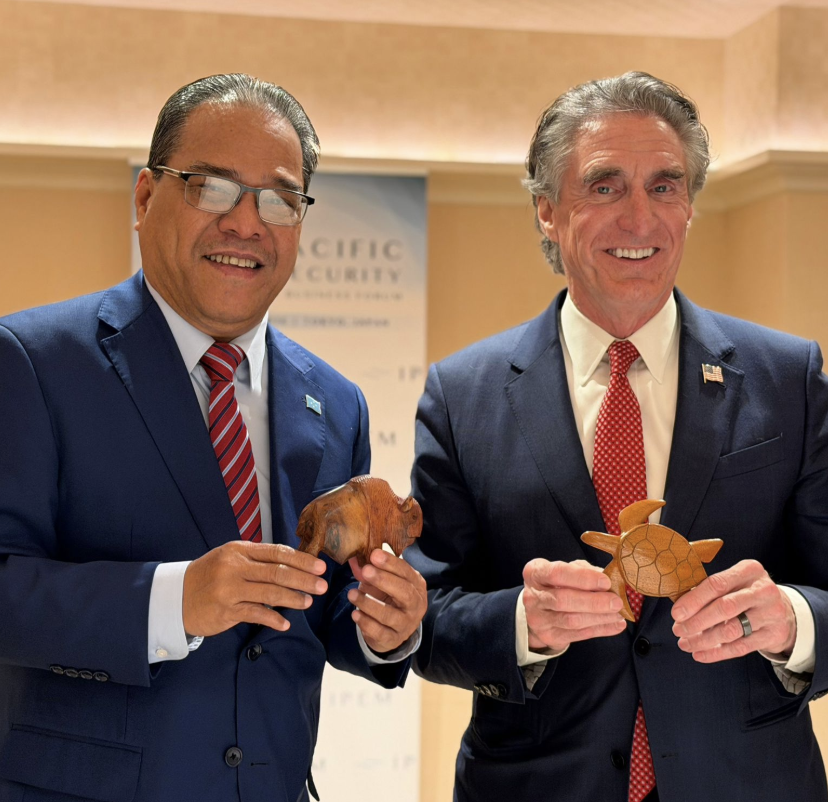
IPEM was co-hosted by the Ministry of Economy, Trade and Industry of Japan and the National Energy Dominance Council of the United States, with sponsorship from U.S. Trade and Development Agency (USTDA), with multiple US agency partnerships: United States Departments of State, Interior, Energy, and Commerce, as well as the Export-Import Bank of the United States (EXIM) and the U.S. International Development Finance Corporation (DFC).
According to IPEM’s official mission statement it, “advances the integration of energy security and national security objectives through high-level dialogue and actionable outcomes. The two-day program features a public-facing Business Forum alongside a closed-door Ministerial Session, structured to deliver tangible, real-world impact at a pivotal moment for the Indo-Pacific region.” The panels President Simina attended addressed “Reliable Energy for Indo-Pacific Growth and Security”, “Securing Energy Supply Chains and Infrastructure,” and “Enabling Energy Trade and Investment.”
With Secretary Burgum, President Simina, “discussed bilateral issues critical to progressing efficient and effective Compact implementation,” according to a statement from the Office of the President, Federated States of Micronesia.
Moreover, according to the statement, “During the meeting [with Secretary Burgum], the President [Simina] raised matters related to progressing infrastructure development, ongoing efforts for veterans affairs to realize the extension of full benefits for FSM citizens who have served in the U.S. Armed Forces, as well as issues affecting FSM citizens residing in the United States. Overall, the President reaffirmed the FSM’s commitment to strengthening cooperation with the United States to ensure that initiatives under the Compact continue to support the long-term prosperity and stability of the FSM.”
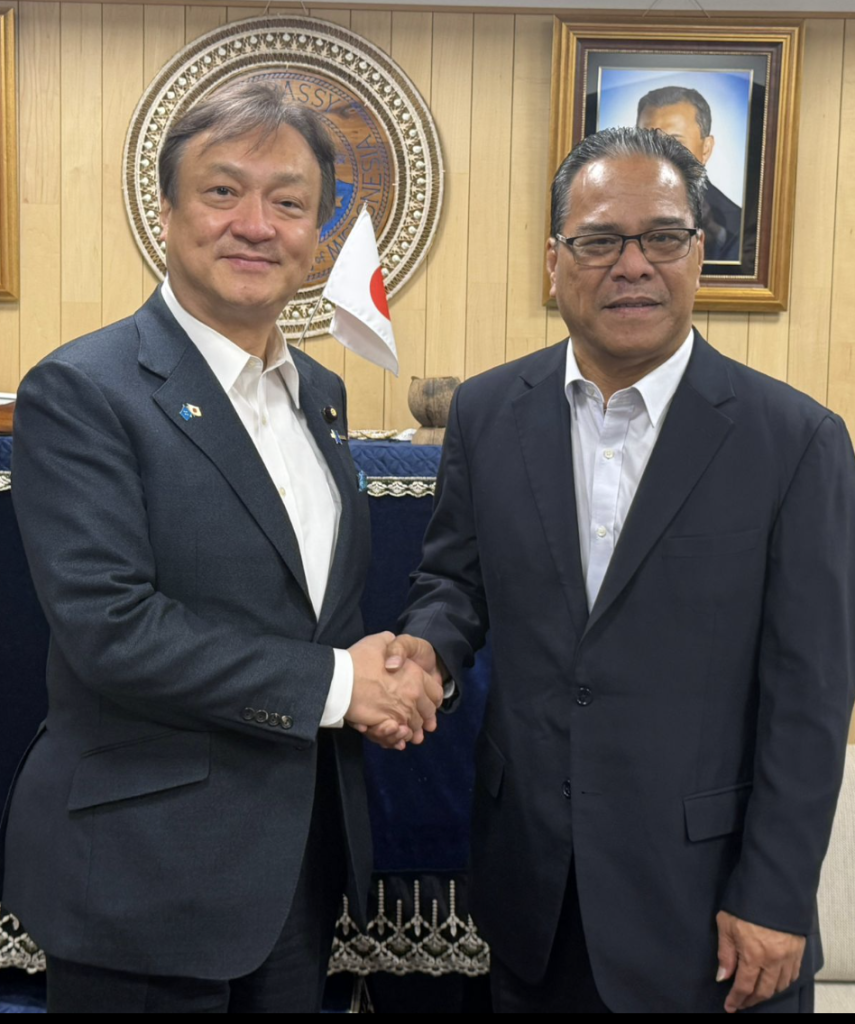
President Simina also exchanged views on cooperation on “environmental protection, including ways to address the leakage of oil remnants in Chuuk Lagoon,” with Mr. Lee Zeldin, Administrator of the United States Environmental Protection Agency (EPA). He also discussed “cooperative initiatives between the FSM and Japan” with Mr. Ryosei Akazawa, Minister of Economy, Trade and Industry of Japan.
Scientific Intellectual Property
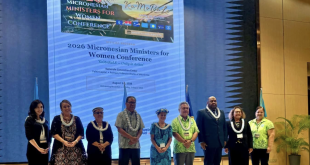
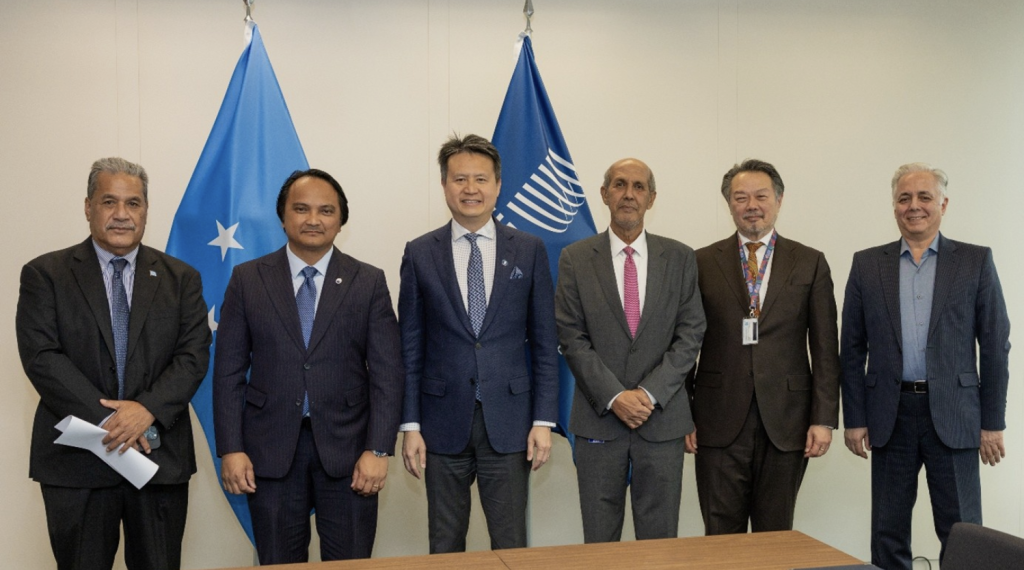
Also recently, FSM stayed strong protecting its natural and cultural resources at the 52nd Session of the Intergovernmental Committee on Intellectual Property and Genetic Resources, Traditional Knowledge and Folklore (IGC 52) at the World Intellectual Property Organization (WIPO) held in Geneva, Switzerland from March 4-13, 2026.
FSM’s delegation included Akillino H. Susaia, Ambassador and Permanent Representative of the FSM Embassy and Permanent Mission in Geneva, Leonito Bacalando Jr., Secretary of FSM Department of Justice, and First Secretary Mr. Johnny Hadley Jr.
According to a statement from the National Government of the Federated States of Micronesia, the FSM is in, “the early stages of developing national intellectual property laws,” and calling for, “stronger transparency and disclosure measures related to genetic resources and associated traditional knowledge to prevent misappropriation.”
One way of initiating authenticity over the historical intellectual property of natural resources is recognizing specific locations and usages of resources, as found in traditional knowledge (TK) and traditional cultural expressions (TCEs), which the conference welcomed, and which FSM provided in abundance.
According to the same FSM government statement, “the FSM delegation emphasized that protecting TK and TCEs is essential for sustainable cultural and creative economies, particularly for large ocean developing states whose heritage, biodiversity, and traditional practices are closely linked.”
It added, “The delegation urged enhanced technical assistance and capacity-building support to develop national institutions, policies, and legal frameworks that safeguard TK and TCEs while enabling community-led cultural industries.”
A key outcome of the meeting were bilateral discussions, “with the WIPO Director General Daren Tang for technical assistance support towards the establishment of a national intellectual property office.”
As FSM Department of Justice Secretary Bacalando Jr. summed it up, “Traditional knowledge and cultural expressions are not relics of the past. They are living systems that guide how our communities interact with the ocean, land, and each other.”
Kosrae Plugged In Cable News
The timing for stronger energy and intellectual security is serendipitous with news of Kosrae officially plugged in with the East Micronesia Cable System.
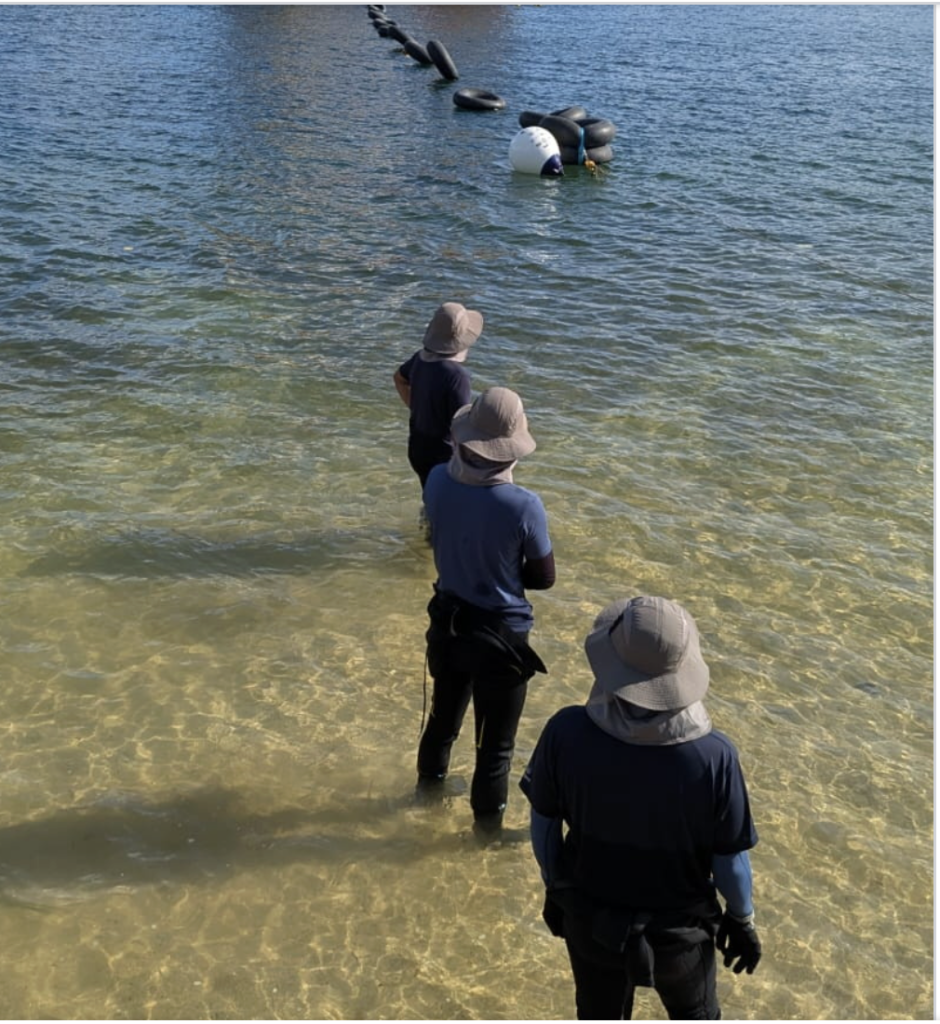
According to a March 11, 2026 statement from the Australian Embassy of the Federated States of Micronesia, “The East Micronesia Cable is now connected – delivering the first cable connection for the state of Kosrae and improved digital connectivity for over 100,000 people across the Federated States of Micronesia (FSM), Kiribati, and Nauru.”
The statement continues, “ The cable will provide faster, high quality and more reliable internet, improving access to essential services, strengthening disaster preparedness and response and supporting economic opportunities in FSM and the region.”
According to a statement from the East Micronesia Cable System project, “More than 100,000 people across the Pacific will receive faster, more reliable, secure and higher quality internet connectivity through the East Micronesia Cable Project. The Project, funded by Australia (through the Australian Infrastructure Financing Facility for the Pacific), Japan and the United States, will build a submarine cable to connect the state of Kosrae in FSM, Tarawa in Kiribati, and Nauru to the existing HANTRU-1 cable, located in Pohnpei, FSM.”
It continues, “The new cable will support the increased availability of digital government services and improve trade and employment opportunities through better access to services, information and worldwide markets. It will be an important step in supporting increased economic growth and improved living standards as the region continues to recover from the severe impacts of COVID-19.”
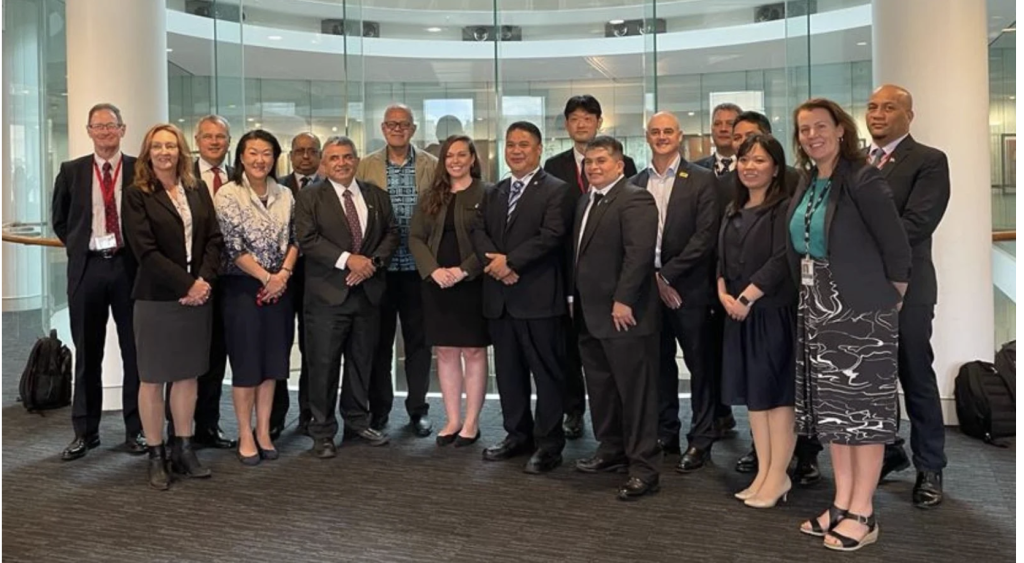
Three days before the official news of the launch, on March 8, “senior representatives from the six countries met face-to-face for the first time at the biannual Project Executive Board meeting in Canberra. During the meeting they reaffirmed their commitment to delivering this transformational project and discussed important steps to finalise the marine cable construction contract. Once signed, this contract will signal the beginning of implementation.”
In other words, FSM is moving fast in posture and practice to fortify itself for energy, scientific intellectual property, and international high-speed communication security.