 Micronesia Sun Bright News from the Deep Pacific
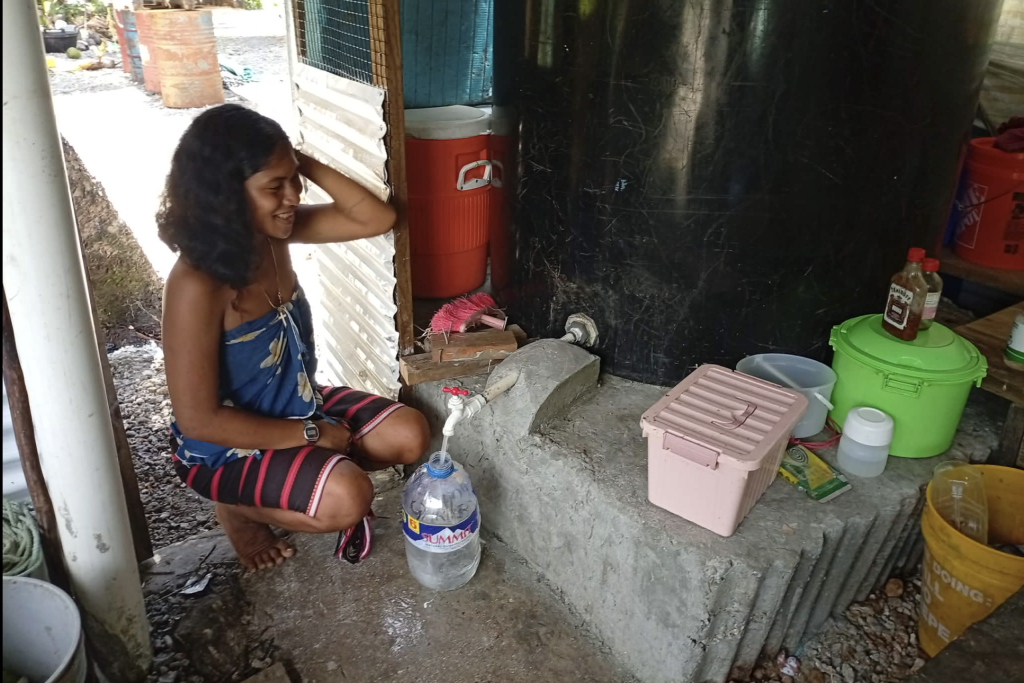
Photo Sources: U.S. Embassy Kolonia, Adaption Fund-Micronesia
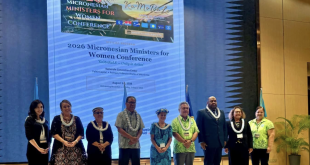
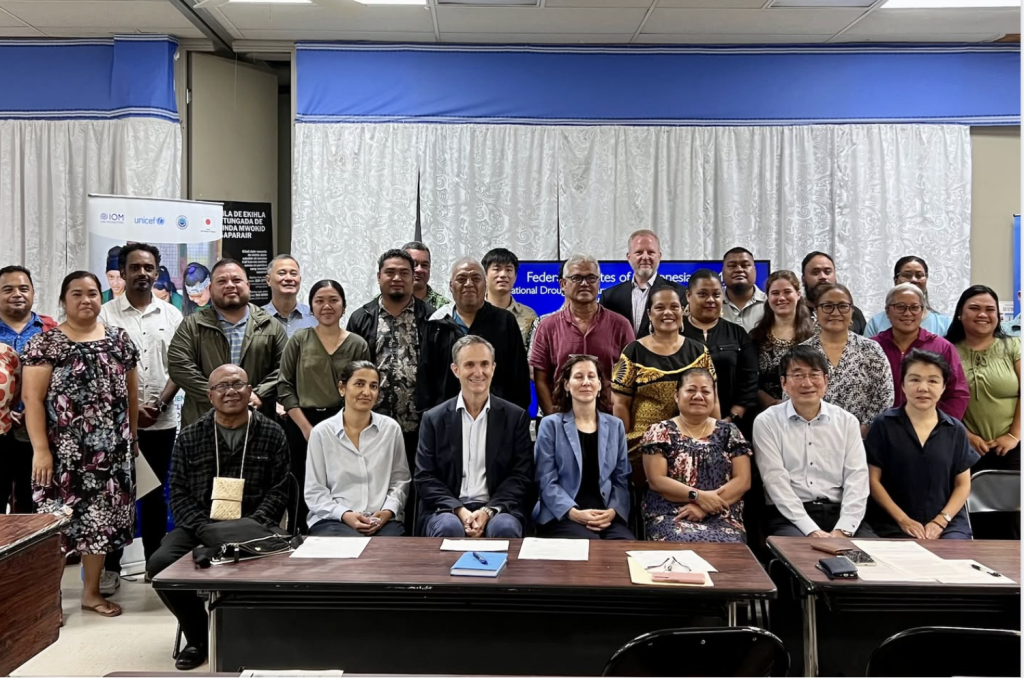
April 6, 2026, Federated States of Micronesia__The Federated States of Micronesia, US, Japan, and the International Organization for Migration (IOM)-Micronesia, convened today in Pohnpei to prepare for drought preparedness.

Co-hosted by FSM’s Department for Environment, Climate Change and Emergency Management (DCEM), Embassy of Japan to Micronesia, and IOM-Micronesia, today’s workshops are taking into consideration multiple factors, from weather forecasts, rainfall captures, to existing projects, and filling in gaps to prevent drought to crops and drinking water.
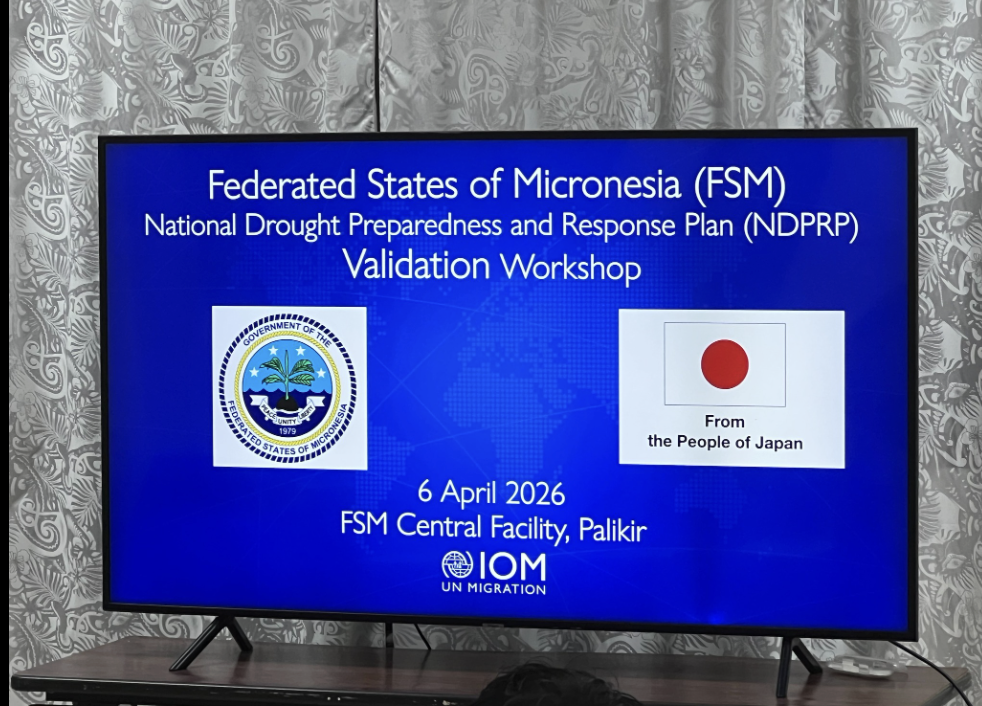
The U.S. Embassy Kolonia to the Federated States of Micronesia, stated, “Deputy Chief of Mission Vincent Mut-Tracy and U.S. officials were pleased to attend the National Drought Preparedness and Response Plan Validation Workshop on April 6, hosted by DECEM, International Organization for Migration – Micronesia, and 在ミクロネシア日本国大使館 Embassy of Japan in the Federated States of Micronesia.”
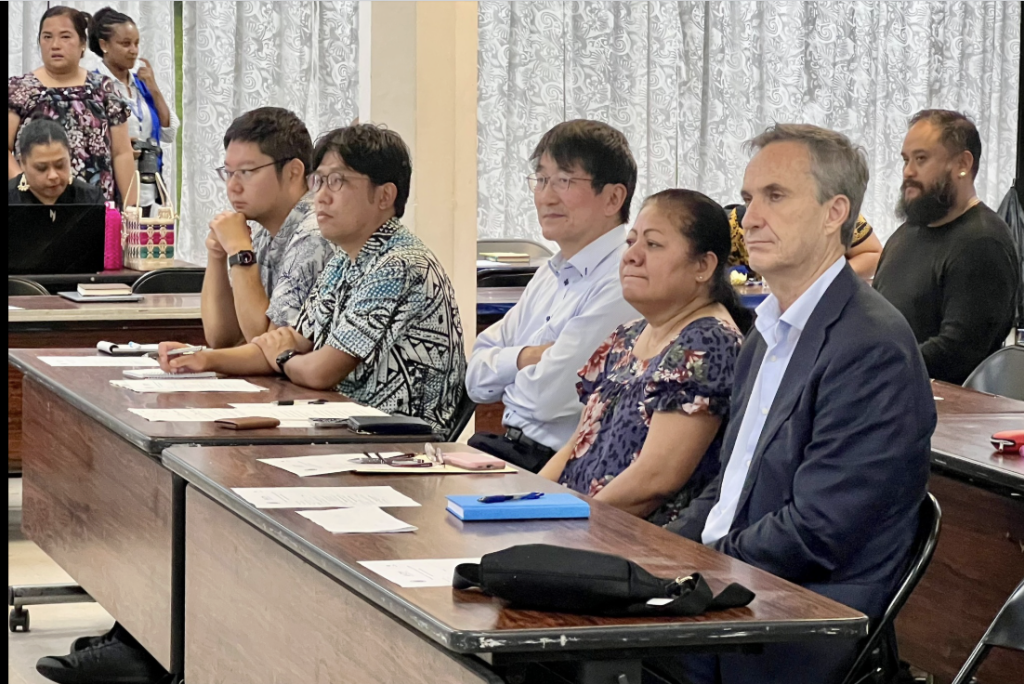
It added, “The best time to prepare for disasters is before they happen, and the United States is proud to support FSM as it proactively works to protect its people ahead of the next drought.”
According to a U.S. National Weather Service watch advisory last month on La Niña and El Niño, a, “transition from La Niña to ENSO-neutral is expected in the next month [April 2026], with ENSO-neutral favored through May-July 2026 (55% chance). In June-August 2026, El Niño is likely to emerge (62% chance) and persist through at least the end of 2026.”
Last November, the World Meteorological Organization Regional Association V (WMO RA V) Pacific Regional Climate Centre Network also noted that, “weak La Niña conditions are likely to be established from November 2025 to January 2026. A weak La Niña event means its peak and duration will not reach levels experienced by major La Niña events that have developed in the Pacific, and will be short-lived, and conditions will return to neutral in the first quarter of 2026.”
Despite not seeing dangerous La Niña droughts in the first half of 2026 in FSM, vigilance must remain constant.
According to the U.S. Drought Monitor’s Pacific Drought Summary dated March 31, 2026, “In the western sections of the Federated States of Micronesia (FSM), Yap and Woleai both recorded around an inch of rain last week, which brought March totals slightly above normal.” This brought the total rainfall between 24 and 27 inches fell during January-March, “which is also slightly above normal. There is no indication of any dryness or drought”
The U.S. Drought Monitor, which is produced in partnership with the University of Nebraska-Lincoln’s National Drought Mitigation Center, U.S. Department of Agriculture, the National Oceanic and Atmospheric Administration (NOAA), and the National Aeronautics and Space Administration (NASA), warned of vigilance, though, despite this pocket of extra rain.
Of western Chuuk State’s Lukunor atoll, the U.S. Drought Monitor further reported of, “subnormal rainfall each of the last 3 months. Between 5.9 and 6.8 inches fell each month during this period, which ranged from 57 to 73 percent of normal. No significant dryness-related impacts have been reported, but 3-month amounts have been sufficiently below normal to support introducing abnormal dryness (D0) there.”
It warned that, “across Chuuk, Nukuoro, and Kapingamaringi, very dry conditions prevailed during the last week of March, but enough rain fell during the prior few months to preclude the introduction of any dryness at this time. Chuuk has been persistently wetter than normal all year so far. Nukuoro recorded subnormal March (8.5 inches) and January (9.45 inches) totals, but amounts have been sufficient to keep up with environmental and human demand. Kapingamaringi has been drier than normal all 3 months, but totals have been sufficient to keep up with demand, ranging from near 8 inches to over 10 inches each month.”
It added that, “The eastern FSM is climatologically very wet this time of year. The 15.49 inches of rain reported during March in Kosrae were actually slightly below normal, and totals of 17.7 and 12.9 inches, respectively, fell during February and January. This is more than what is needed to keep up with demand. About 2/3 of normal rainfall amounts were reported in March at Pohnpei (9.39 inches), which is actually sufficient to keep up with demand. Totals during January (12.5 inches) and February (15 inches) were even more robust. Thus, no dryness is indicated in eastern FSM.”
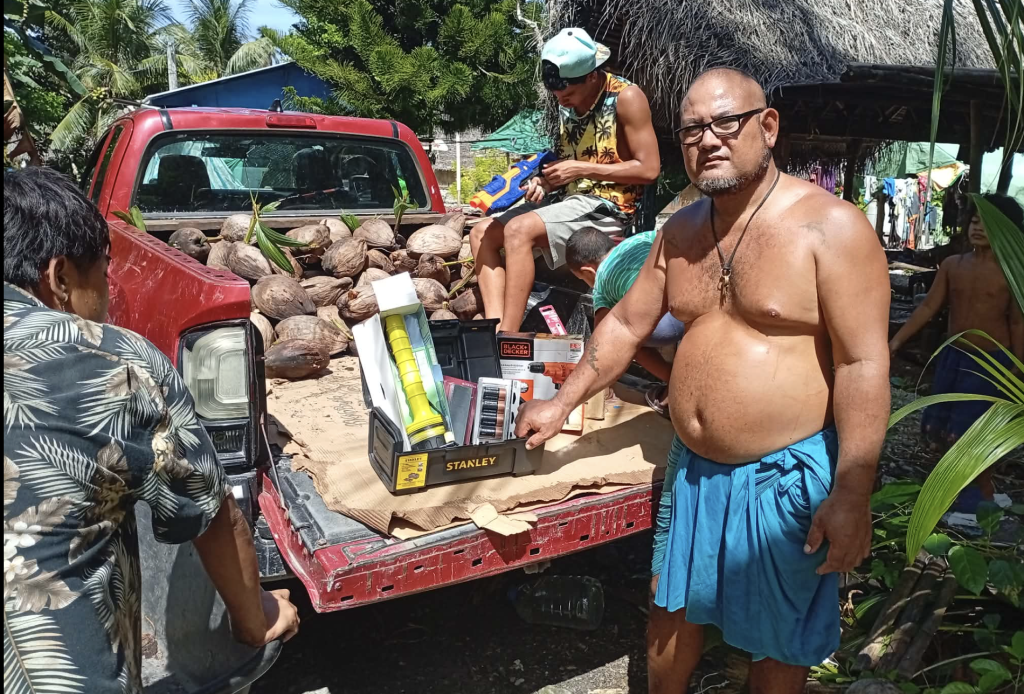
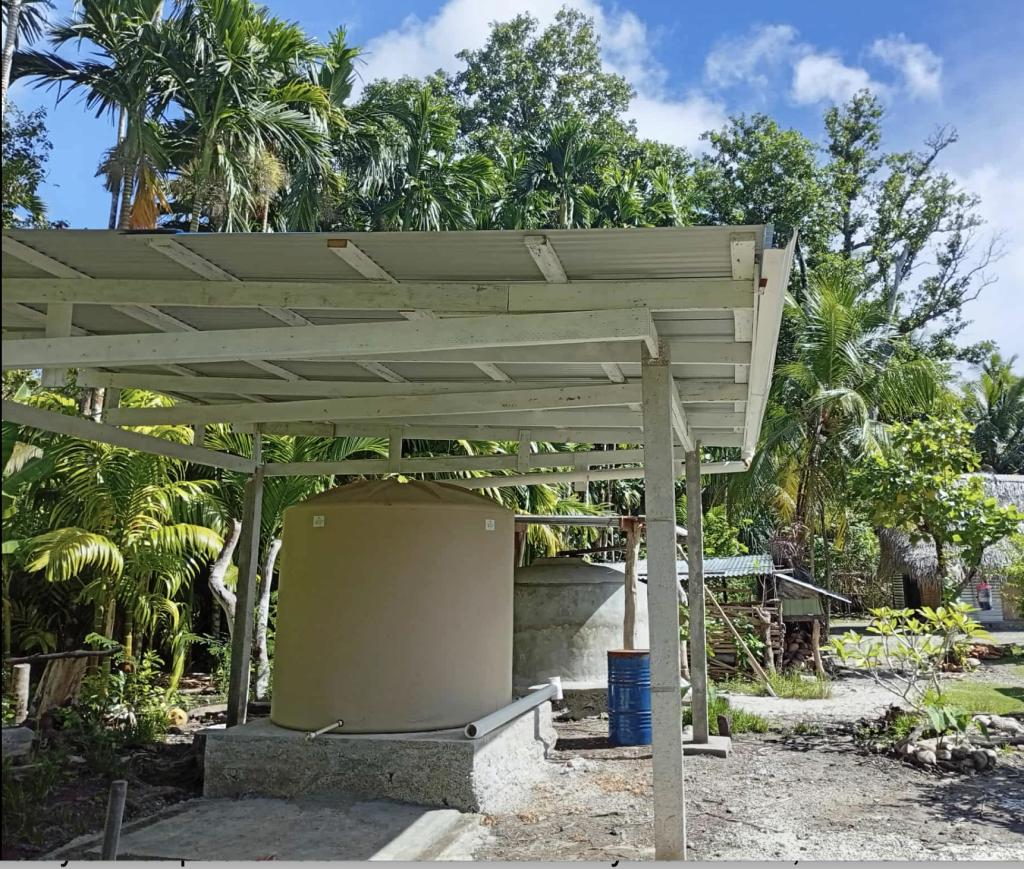
Several of the sites noted in the U.S. Drought Monitor are fighting to stay drought resilient with support from the Adapation-Fund-Micronesia—with grateful communities rejoicing in their fight to sustain clean water for sanitation, drinking, crops and livestock support, plus reducing flood risk.
Vulnerable communities cited for assistance by Adapation Fund-Micronesia are Woleai, Eauripik, Satawan, Lukunor, Kapingamarangi, Nukuoro, Utwe, and Malem.
Recent social media posts and this video also show gratitude.
In March on Facebook, one post reads, “The people of Kapingamarangi (Pohnpei State, FSM) are pleased, happy and thankful to receive their water filters and water containers. The water filters and containers are supplement items to their water tanks that the AF Project renovated and installed. The filtered water containers will enable the community to secure water during droughts or any erratic and extreme weather patterns caused by climate change.”
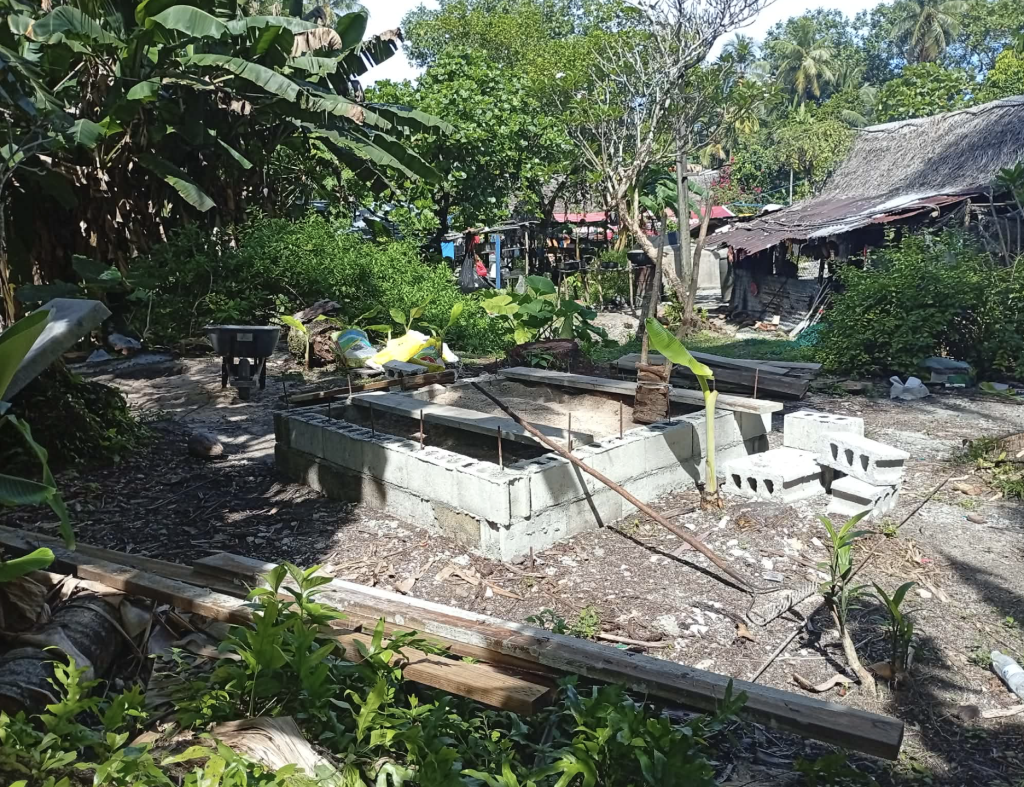
So are residents on Woleai in Yap state, who also posted in January 2026 a rallying cry from Adaptation Fund-Micronesia’s implementing partner, the Neighboring Island Central High School (NICHS). NICHS instructor Edmond Uolai pleaded to the community, “All water tanks on Woleai should be kept ready!”