 Micronesia Sun Bright News from the Deep Pacific
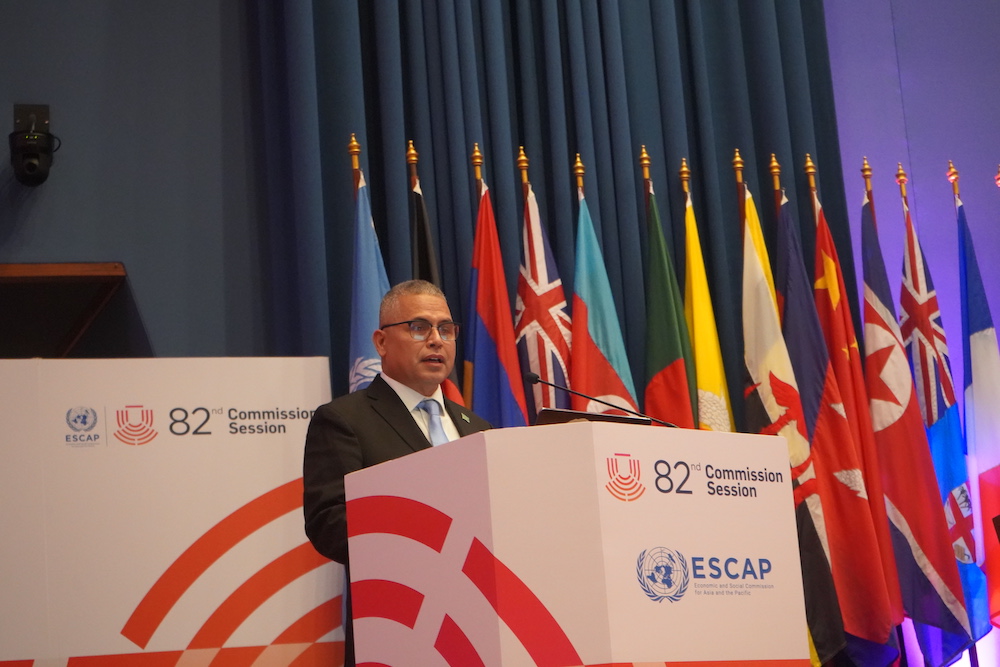
Photo Sources: UN Economic and Social Commission Asia Pacific (ESCAP), Thailand’s Ministry of Foreign Affairs, Christopher Cottrell
By Christopher Cottrell
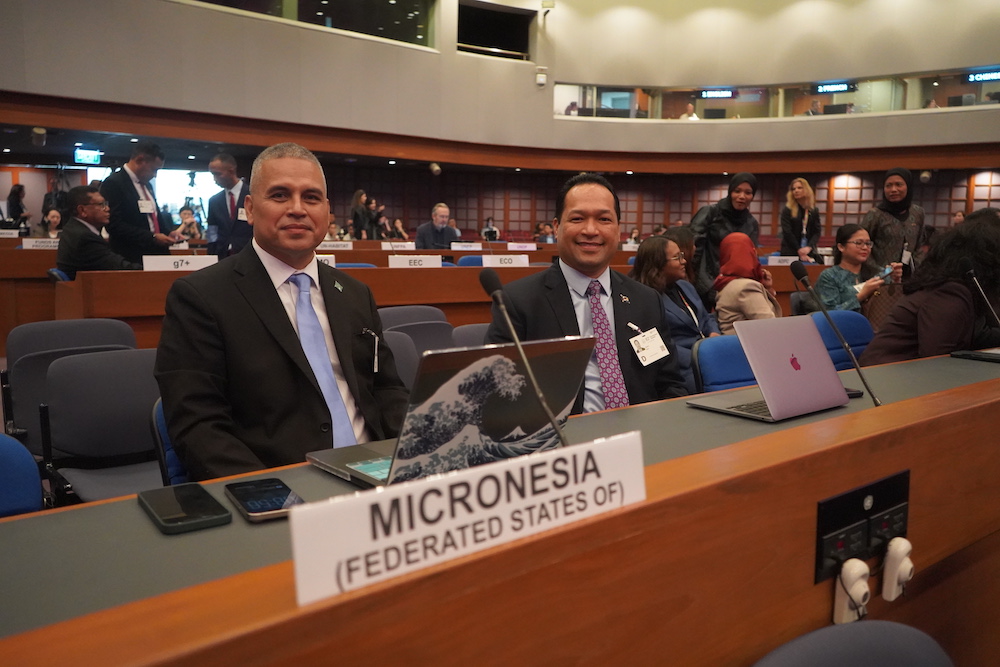
April 27, 2026, Federated States of Micronesia/Bangkok, Thailand___Closing Friday at the UN Economic and Social Commission Asia Pacific (ESCAP) 82nd Session in Bangkok, Thailand, Herman Semes Jr., Micronesia’s Assistant Secretary of the Division of Multilateral & European Affairs and FSM Department of Foreign Affairs, joined delegates from the Asia-Pacific for an urgent call for demographic and socioeconomic challenges, climate change, and multilateralism.
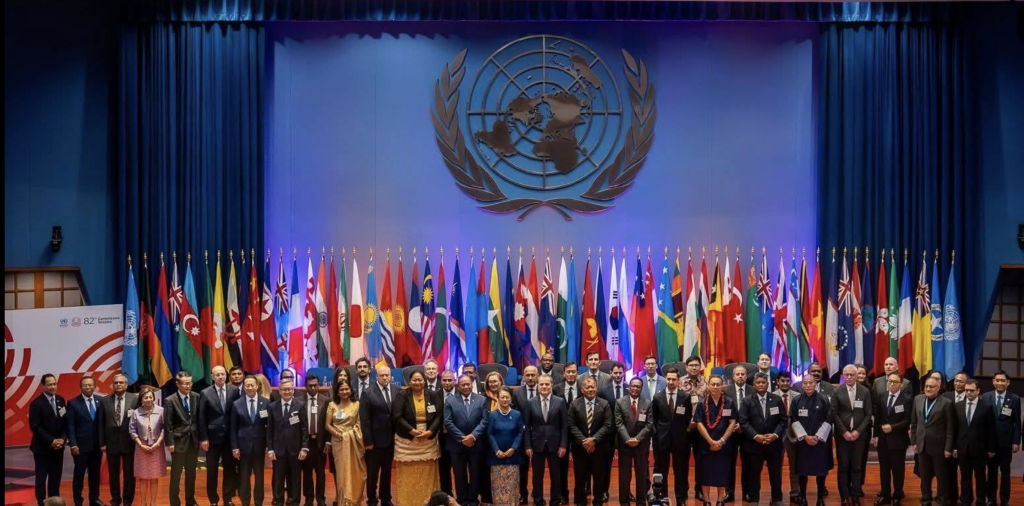
The theme of the event was,“Leaving no one behind: advancing a society for all ages in Asia and the Pacific,” with the intent to, “discuss current and emerging demographic trends and socioeconomic priorities, including decent work, full and productive employment across age groups, healthy and active ageing, women’s economic empowerment, the future of care and overall social integration.”
With more than 60 percent of the world’s population, the Asia-Pacific region is witnessing sharp demographic shifts, with simultaneous rapid aging and youth bulges. According to a statement from ESCAP, “This transformation poses a critical policy challenge: how to create decent jobs, enhance labour productivity, and build cohesive and inclusive societies amid demographic shifts and the megatrends of climate change, urbanization, digitalization and artificial intelligence.”
The keynote address was delivered by Thailand’s Prime Minister and Minister of Interior Anutin Charnvirakul, who said, “We meet at a time of growing uncertainty. Geopolitical tensions are weakening the rules-based order that has supported decades of growth. Climate pressures are rising and financial conditions are tightening, just as our economies require greater investment.”
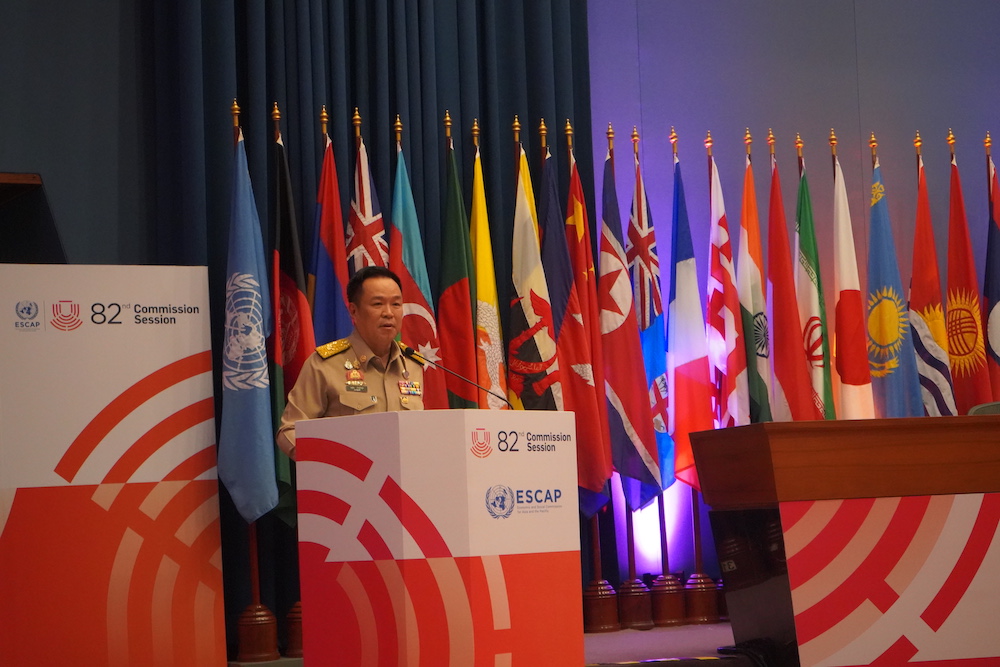
H.E. Mr. Sihasak Phuangketkeow, Deputy Prime Minister and Minister of Foreign Affairs, delivered Thailand’s statement during the General Debate under the theme “Opportunities and solutions for a sustainable future.” According to a statement from Thailand’s Ministry of Foreign Affairs, “He underscored that, amid global uncertainty and multiple crises, there remains an important opportunity to strengthen resilience and invest in the future. Thailand places priority on advancing inclusive digital and green transitions, promoting sustainable finance, developing carbon markets, and formulating climate change legislation, with a view to achieving net-zero greenhouse gas emissions by 2050. He stressed that achieving these goals would require cooperation at all levels, including South-South and triangular cooperation.”
On the sidelines of the UN Convention Center in Bangkok, Deputy PM and FM Sihasak told the Micronesia Sun that, “Today, there are challenges facing multilateralism, with many sources. We live in a world of greater fragmentation. The world we are going from crisis to crisis. We need peace now more than ever, especially with development.”
He continued, “The Pacific Islands face unique challenges. There is a real present danger and threat. We have to do more for climate change. Unfortunately, this crisis in the Middle East is going to impact our efforts to move toward cleaner and renewable energy I hope the world, as it is right now, fraught as it is with uncertainties, will not sidetrack us from dealing with this common challenge of climate change.”
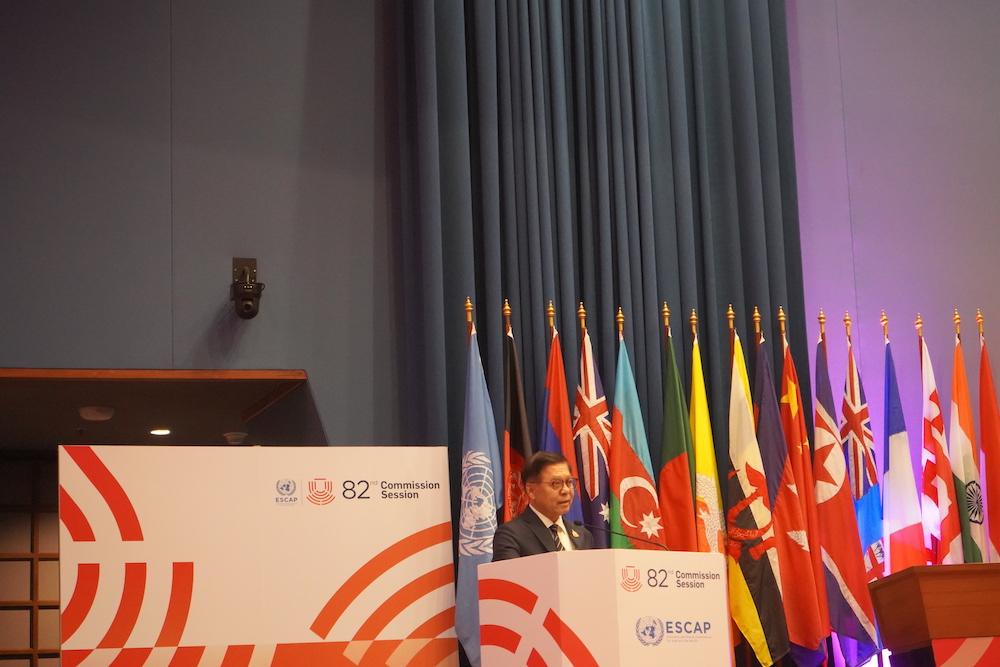
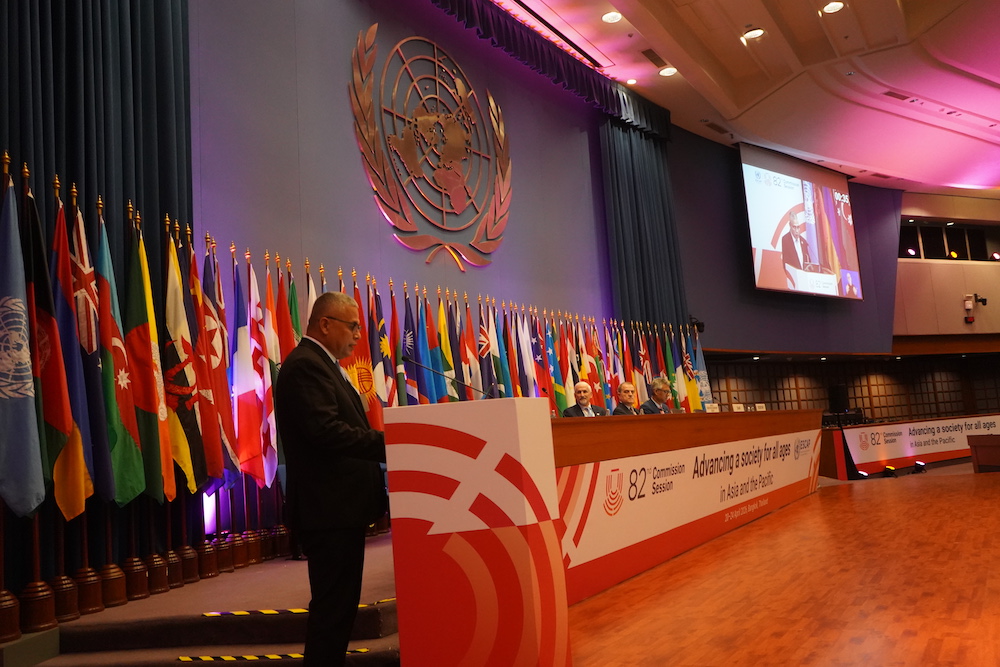
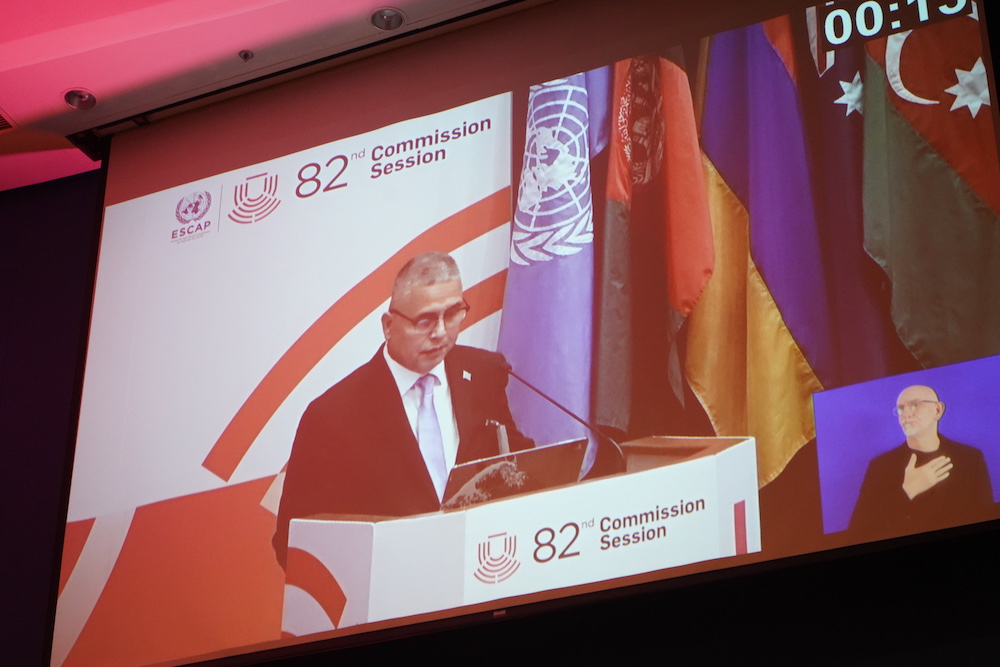
Assistant Secretary Semes Jr. affirmed these challenges for the FSM, stating in his remarks at the podium before the full assembly, that, “This comes at a critical time for our region in light of uncertainties around the world, Guided by the important focus of ‘Leaving no one Behind, Advanced Society for all Asia and the Pacific’ this platform offers a valuable platform to consider demographic trends, socioeconomic priorities, and the well being of people across all generations, from decent work and productive employment to healthy and active aging, women’s economic empowerment and social integration, to name a few.”
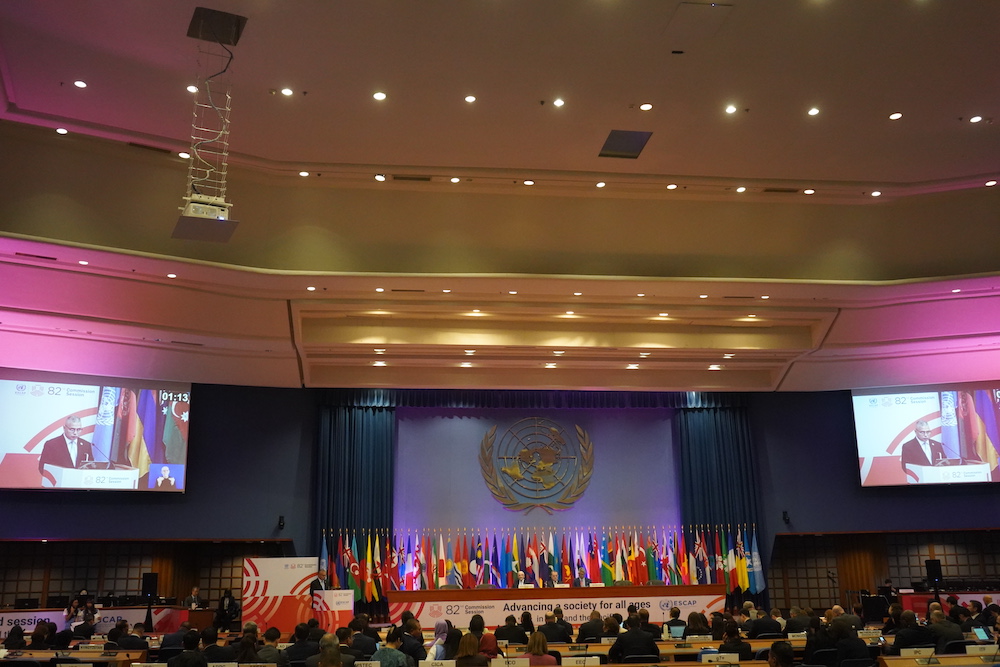
He continued, “These priorities strongly resonate with the FSM, where our efforts to build a resilient, inclusive, and people centered society must respond to the needs of our children, youth, adults and older persons alike. For the FSM, sustainable development is above all about people, improving lives, safeguarding well being and ensuring that no one is left behind in our small, remote island communities.”
To watch his speech, click here to hour three, minute 10 on UN WebTV.
On a panel discussion, and speaking to the assembly, he said, “As many of you are aware, Typhoon Sinlaku inflicted severe and widespread damage across Chuuk State last week, with my President Simina declaring a state of emergency after prolonged high winds, heavy rain, and storm surge battered Weno and nearby lagoon and outer islands.”
He continued: “Chuuk State has seen 34,000 people affected, with multiple fatalities and missing persons reported, while shortages of safe water, fuel, and basic goods and the use of backup power at the main hospital raised serious humanitarian and public‑health concerns. I am sharing so you can be aware of our response, and we welcome any assistance in our recovery efforts.. it is timely that we are discussing climate finance and the Baku Declaration.
“As a small island developing state, FSM stands against the mercy of climate change. Rising sea levels, coastal erosion, saltwater intrusion, and increasingly severe weather events pose immediate threats to our communities, infrastructure, food security, and freshwater resources. These challenges are compounded by geographic isolation, limited fiscal space, and capacity constraints, which make accessing and effectively utilizing climate finance particularly difficult.
“Despite these constraints, FSM has taken meaningful steps to strengthen national resilience and advance climate action.
“Our government has prioritized the integration of climate adaptation and disaster risk reduction into national planning frameworks, including the implementation of the Strategic Development Plan and state-level resilience strategies. We continue to work closely with regional partners and international institutions to improve climate data collection, strengthen early warning systems, and enhance community-based adaptation efforts.
“FSM is also actively engaging with multilateral climate finance mechanisms, including the Green Climate Fund and the Global Environment Facility, to support projects that address coastal protection, water security, and renewable energy development. Efforts are underway to improve institutional capacity for project development, fiduciary standards, and monitoring and evaluation, ensuring that climate finance can be accessed more efficiently and utilized effectively.
“At the community level, FSM is promoting locally led adaptation initiatives that draw on traditional knowledge and practices. These include mangrove restoration, sustainable fisheries management, and climate-resilient agriculture. Such approaches not only enhance resilience but also strengthen local ownership and long-term sustainability.
“However, significant gaps remain. Accessing climate finance continues to be complex, time-consuming, and resource-intensive for small administrations. There is a pressing need for simplified application processes, more predictable and sustained funding flows, and increased direct access for vulnerable countries. Additionally, financing must better reflect the scale and urgency of adaptation needs in small island contexts.
“Countries like Micronesia are deemed “too risky” for conventional climate finance: The Baku Hub and Baku Call emphasize support for countries considered too risky for conventional climate funding, including those with high humanitarian needs. While Micronesia is peaceful, our small scale, high vulnerability, limited absorptive capacity, and complex access requirements have made climate finance access slow and fragmented, resulting in a significant financing gap for adaptation and disaster risk management.
“Micronesia is asking to be a pilot country under the Baku Hub to help test real solutions for climate challenges faced by small island nations. We hope to develop a program ahead of COP31 that focuses on climate resilience, safe community relocation, and social stability, especially for outer islands at risk from sea-level rise and drought. This includes building stronger coastal defenses and improving water and energy systems, while also supporting early warning systems, jobs, and community-led planning.
“Micronesia also wants faster and easier access to climate funding and technical support by organizing its projects into one clear package with partners like the Green Climate Fund. At the same time, it will address climate-driven movement of people in a fair and respectful way, protect cultural heritage, and support communities affected by loss and damage. By working with other Pacific island countries, Micronesia aims to share lessons, push for simpler funding access, and highlight the importance of oceans and local communities. All efforts will be led by the country itself, involving government, traditional leaders, youth, and civil society to ensure solutions are inclusive and effective.
“By aligning our national efforts and priorities with the Baku framework, by seeking pilot country status or a tailored small‑island window, and by working with partners to unlock finance, manage mobility, and protect our people and culture, Micronesia can help demonstrate how climate‑vulnerable States can move from crisis to resilience, and from pledges to implementation.
“Micronesia calls for strengthened international cooperation and support in several key areas. First, we urge development partners to expand grant-based financing and reduce reliance on loans, recognizing the limited debt-carrying capacity of small island states. Second, we emphasize the importance of capacity-building initiatives that enable countries like FSM to design, implement, and manage climate projects independently with innovative monitoring and evaluation. Third, we encourage greater alignment between climate finance mechanisms and national priorities, ensuring that funding reaches the communities most in need.
“Furthermore, we advocate for increased investment in resilient infrastructure, nature-based solutions, and climate-informed planning. Strengthening partnerships at the regional and global levels will be essential to mobilizing resources, sharing knowledge, and scaling up successful approaches.
“In conclusion, Federated States of Micronesia remains committed to advancing climate resilience through proactive national action and strong international partnerships. We call on the global community to match this commitment with accessible, adequate, and sustained climate finance that reflects the realities faced by fragile and climate-vulnerable states. Together, we can build a more resilient and sustainable future for FSM and other vulnerable nations, leaving no one behind.”
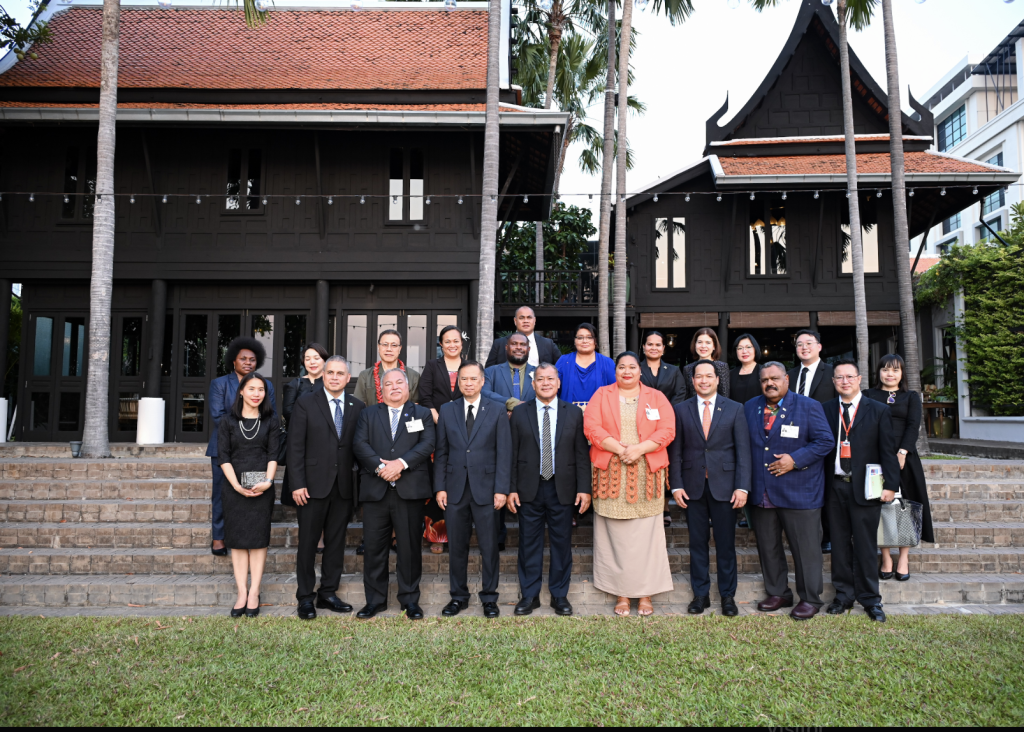
Also happening during the meetings, Thailand hosted the 6th Thailand-Pacific Island Countries Forum, which saw several nations join hands to set in motion plans for action. Assistant Secretary Hermes Jr. met with Palau, Marshall Islands, the United Kingdom, and Kazakhstan for deeper cooperation discussions. He also spoke with Ms. Armida Salsiah Alisjahbana, Under-Secretary-General of the United Nations and Executive Secretary of the Economic and Social Commission for Asia and the Pacific (ESCAP).
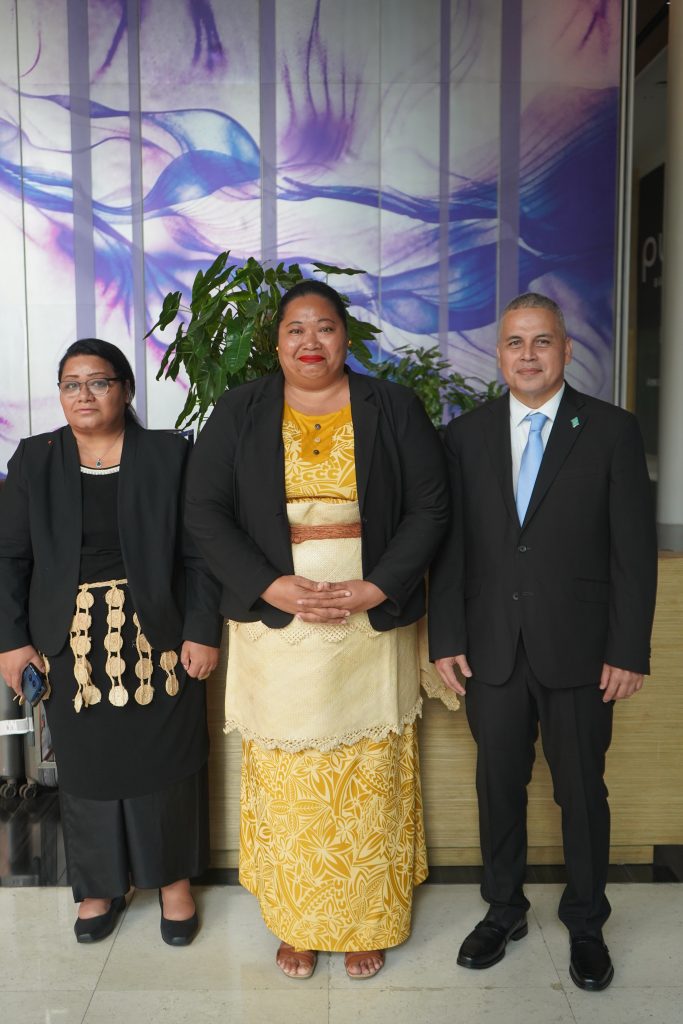
This included Assistant Secretary Semes Jr. of FSM, Junior Aini including Marshall Islands Ambassador Extraordinary and Plenipotentiary to the Pacific Island Countries, Tonga’s Minister of Internal Affairs Hon. Ms. Fane Fotu Fituafe, Samoa’s High Commissioner to Fiji H.E. Ali’ioaiga Feturi Elisaia, H.E. Ratu Etueni Caucau, Fiji’s High Commissioner to Malaysia and Permanent Representative of Fiji to ESCAP, Ms. Delight Star, First Secretary, Embassy of the Republic of Nauru in Beijing, China, Mr. Sini Michael Namori, Papua New Guinea Charges d’Affaires, Hon. Gustav Aitaro, Palau’s Minister of State, and Hon. Panapasi Nelesone, Tuvalu’s Deputy Prime Minister and Minister of Finance and Economic Development. Also with Pacific Islands Forum membership presence was Mr. Andrew Egan, Australia’s Deputy Head of Mission and Permanent Representative to ESCAP and Ms. Abigail Poole, New Zealand’s Deputy Head of Mission and Permanent Representative to ESCAP.
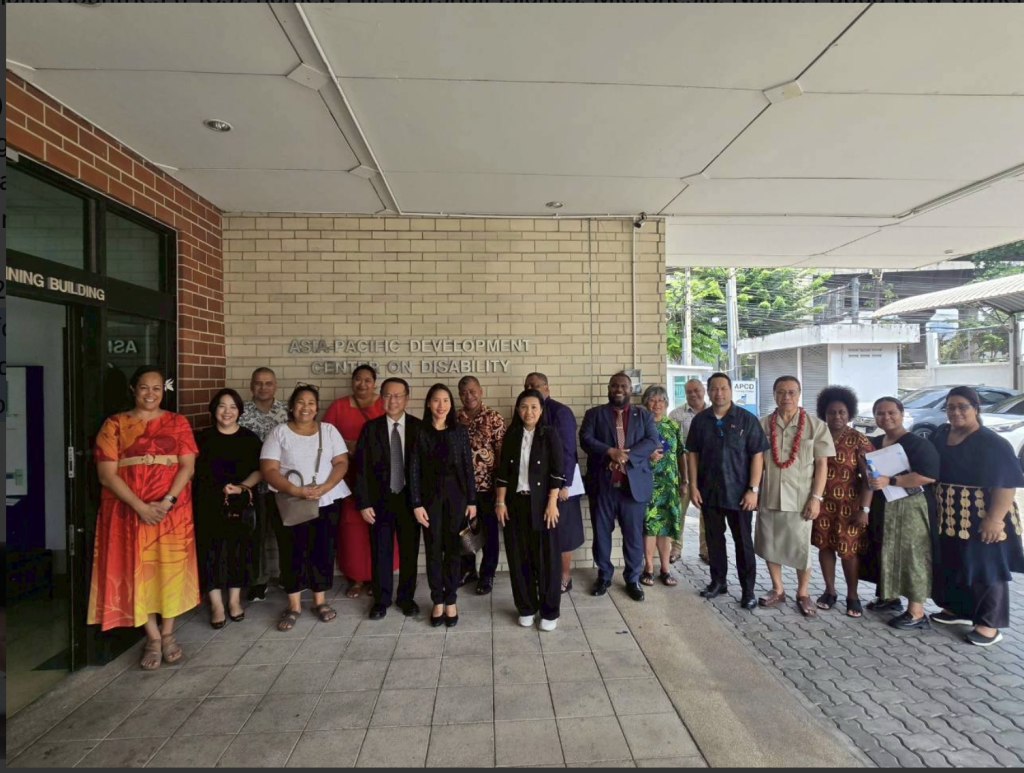
This also involved a study visit to the Asia-Pacific Development Centre on Disability (APCD) to demonstrate, “Thailand’s development efforts towards the elevation and inclusion of persons with disability in society, as well as to discuss opportunities for expanding cooperation on disability empowerment with the PICs,” according to a statement from Thailand’s Ministry of Foreign Affairs.
He continued, “We are also looking forward to receiving a Thai technical team to visit the FSM and discuss options and develop roadmaps for areas of cooperation.”
He added, “The people of Micronesia and I are grateful to ESCAP, and warmly encourage them to expand their presence in the North Pacific on Pohnpei with the current UN facilities as the regional hub with United Nations Multi-Country Office Countries and Territories, IOM and governments for our efforts with the ‘One UN House Micronesia’ building complex to house UN ESCAP, and build their presence managing important issues with health, education, disabilities and youth development.”